
Evidence Versus Uncertainty
In Cold BloodThis thread traces how physical clues and testimony transform suspicion into a strong prosecution while leaving some details unresolved.
increasing Bearing strength in each event
 decreasing
Bearing strength in each eventdecreasingSparse Clues
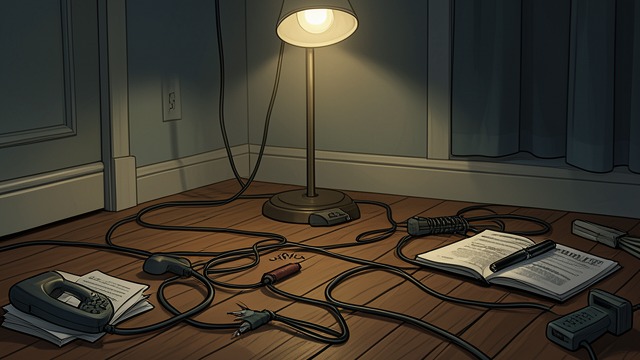
Sparse Clues
A careful crime scene
Investigators find cut telephone lines, bindings, and few disturbed objects. The killers appear to have removed obvious traces and collected the spent shells.
Limits of observation
Photographs reveal footwear impressions not readily visible to the eye. The clues matter, but initially they identify no person and prove no motive.
Conflicting Eyewitness Possibilities

Conflicting Eyewitness Possibilities
The household’s blind spots
Investigators reconstruct who might have heard or seen the intruders. Nearby residents report no gunshots, and the family’s usual openness to visitors complicates assumptions about entry.
A witness in another sense
The decisive witness is not someone who watched the murders. Floyd Wells can connect Dick’s prior plan and knowledge of the farm to the crime.
Boots and Possessions
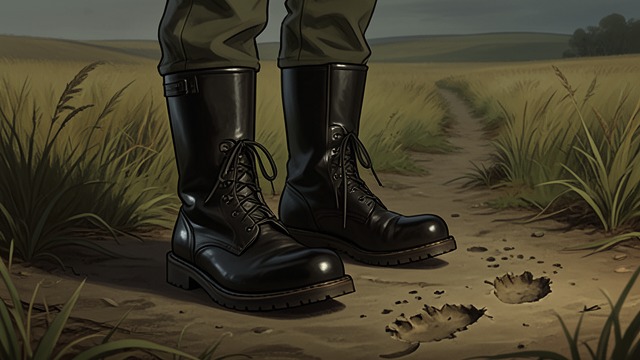
Boots and Possessions
A physical match
Investigators recover boots whose soles correspond to photographed tracks at the crime scene. The match gives the case physical support independent of the informant’s account.
A stolen object traced
The missing radio and binoculars are located through the suspects’ later transactions. These objects link the crime’s aftermath to the men’s flight.
Confessions Tested

Confessions Tested
Details corroborated
Perry Smith describes the robbery, bindings, and disposal of evidence. Investigators locate buried shells and remnants of cord and tape in the area he identifies.
Disagreement remains
Perry and Dick dispute who fired which shots. Their accounts support the prosecution while leaving the precise allocation of killings contested.
A Strong Case, A Limited Answer

A Strong Case, A Limited Answer
Proof assembled
Physical evidence, testimony, and the suspects’ own words establish their participation beyond the central ambiguities. The state can now present a coherent account of the crime.
Questions persist
A strong evidentiary case does not settle every question about mental state, motive, or individual responsibility. The trial’s certainty is narrower than the full human story.
November 15–16, 1959
November 1959
December 1959–January 1960
January 1960
March 1960
